
HD Laparoscopy System – Advanced High-Performance Surgical Camera System for Modern Minimally Invasive Surgery
Looking for a high-performance HD Laparoscopy System? Emcult offers advanced HD laparoscopic cameras, surgical camera systems, medical imaging solutions, and complete laparoscopic tower setups for hospitals, surgeons, and healthcare facilities across India.
HD Laparoscopy System
An HD Laparoscopy System is one of the most important technologies used in modern minimally invasive surgery. It provides surgeons with clear and detailed visualization of internal organs during surgical procedures. High-definition imaging helps doctors perform surgeries with greater precision, improved safety, and better patient outcomes.
At Emcult, we provide advanced and high-performance HD laparoscopy systems, laparoscopy cameras, and surgical camera solutions designed to meet the demanding requirements of hospitals, multispecialty clinics, surgical centers, and medical institutions. Our systems deliver crystal-clear image quality, reliable performance, and user-friendly operation for a wide range of laparoscopic and endoscopic procedures.
As trusted suppliers and providers of laparoscopic imaging solutions in India, we focus on delivering innovative technology that helps surgeons achieve excellent surgical results while improving workflow efficiency inside the operating room.
What is an HD Laparoscopy System?
An HD Laparoscopy System is a complete surgical imaging platform used during minimally invasive surgeries. The system allows surgeons to view high-definition images from inside the patient’s body without making large surgical incisions.
The laparoscopic camera is attached to a rigid laparoscope and transmits real-time images to a medical-grade monitor. These images provide surgeons with a magnified view of tissues, blood vessels, organs, and anatomical structures.
A complete HD laparoscopy system generally includes:
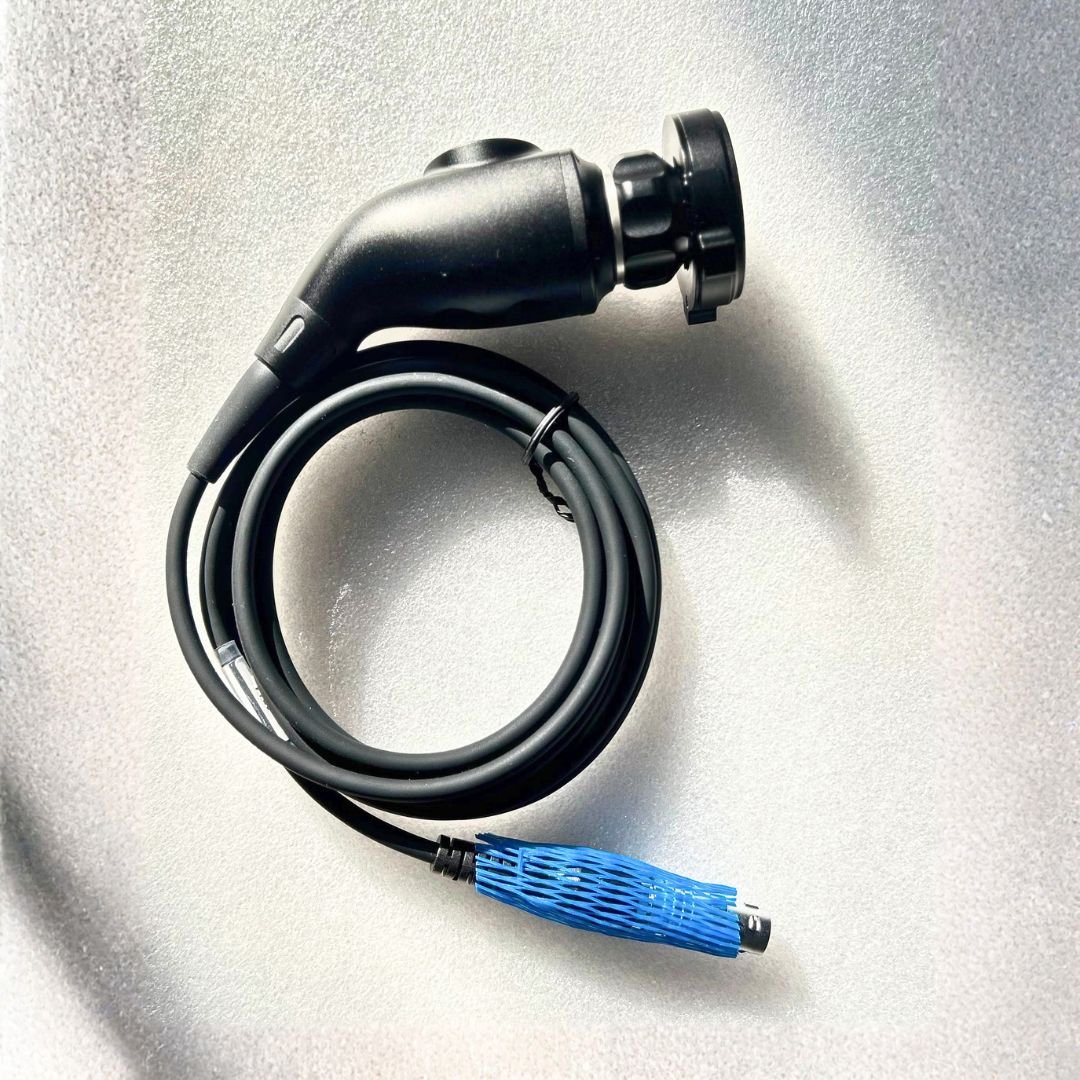
HD Camera Head
HD Laparoscopy System
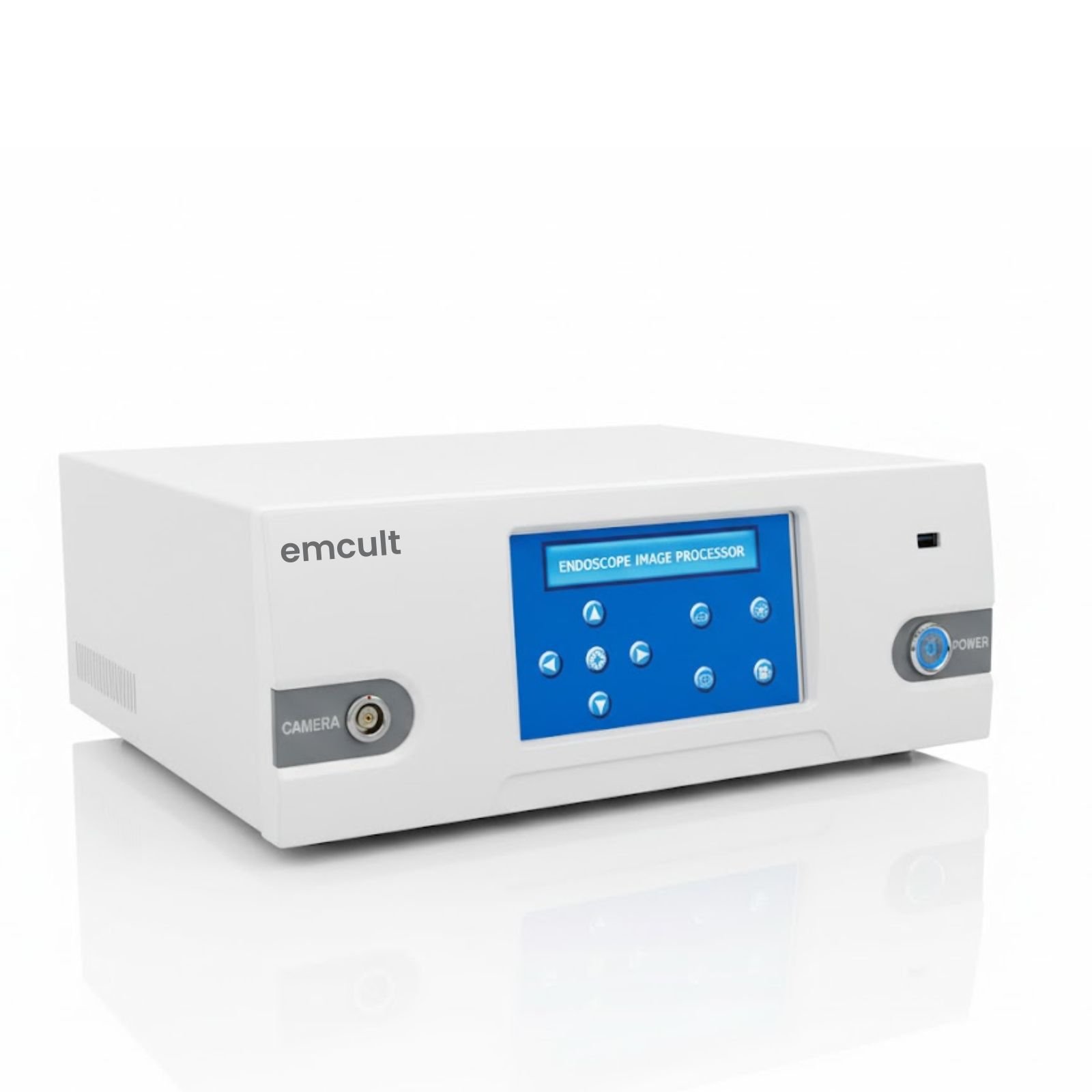
HD Camera Control Unit
HD Laparoscopy System
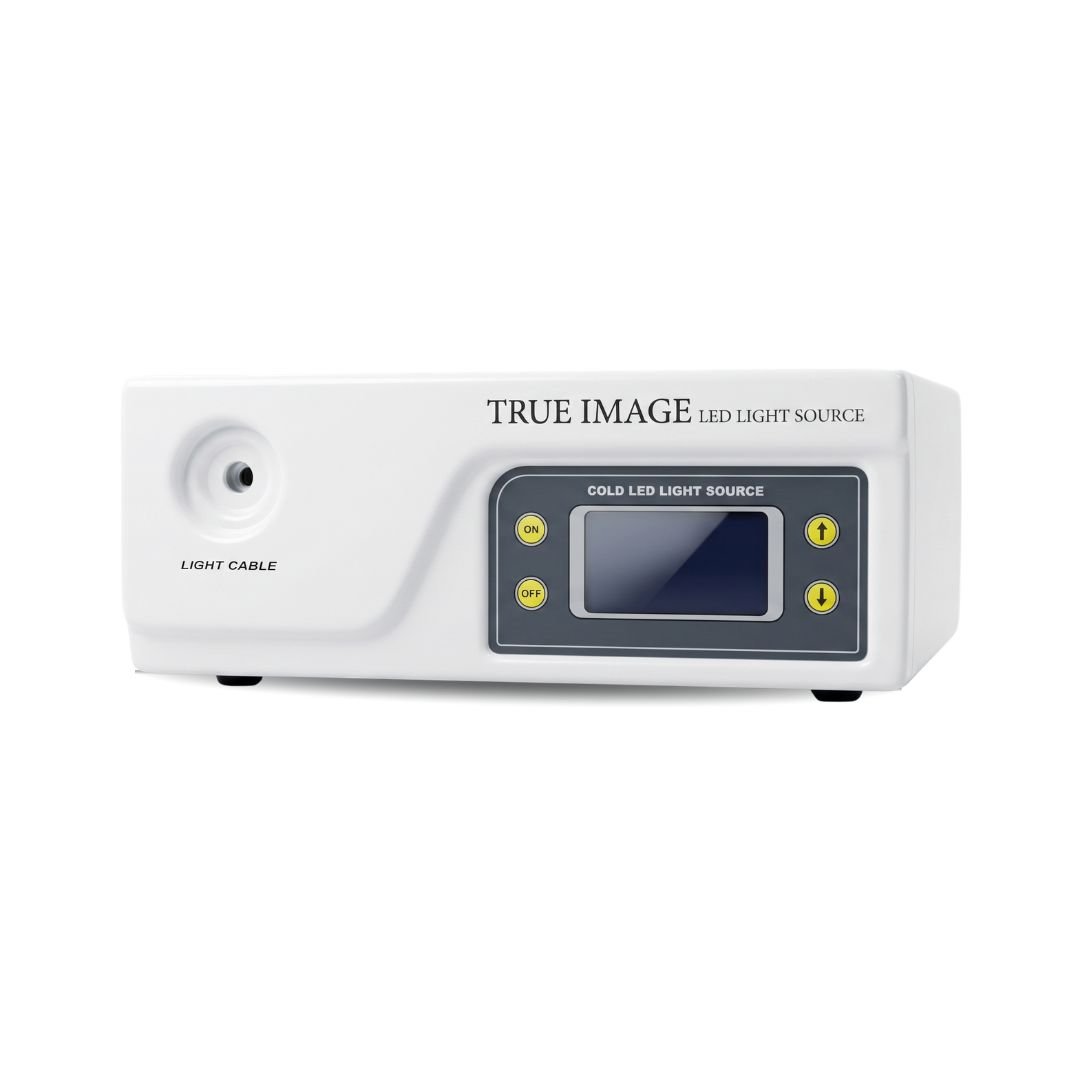
LED Light Source
HD Laparoscopy System

Medical Monitor
HD Laparoscopy System
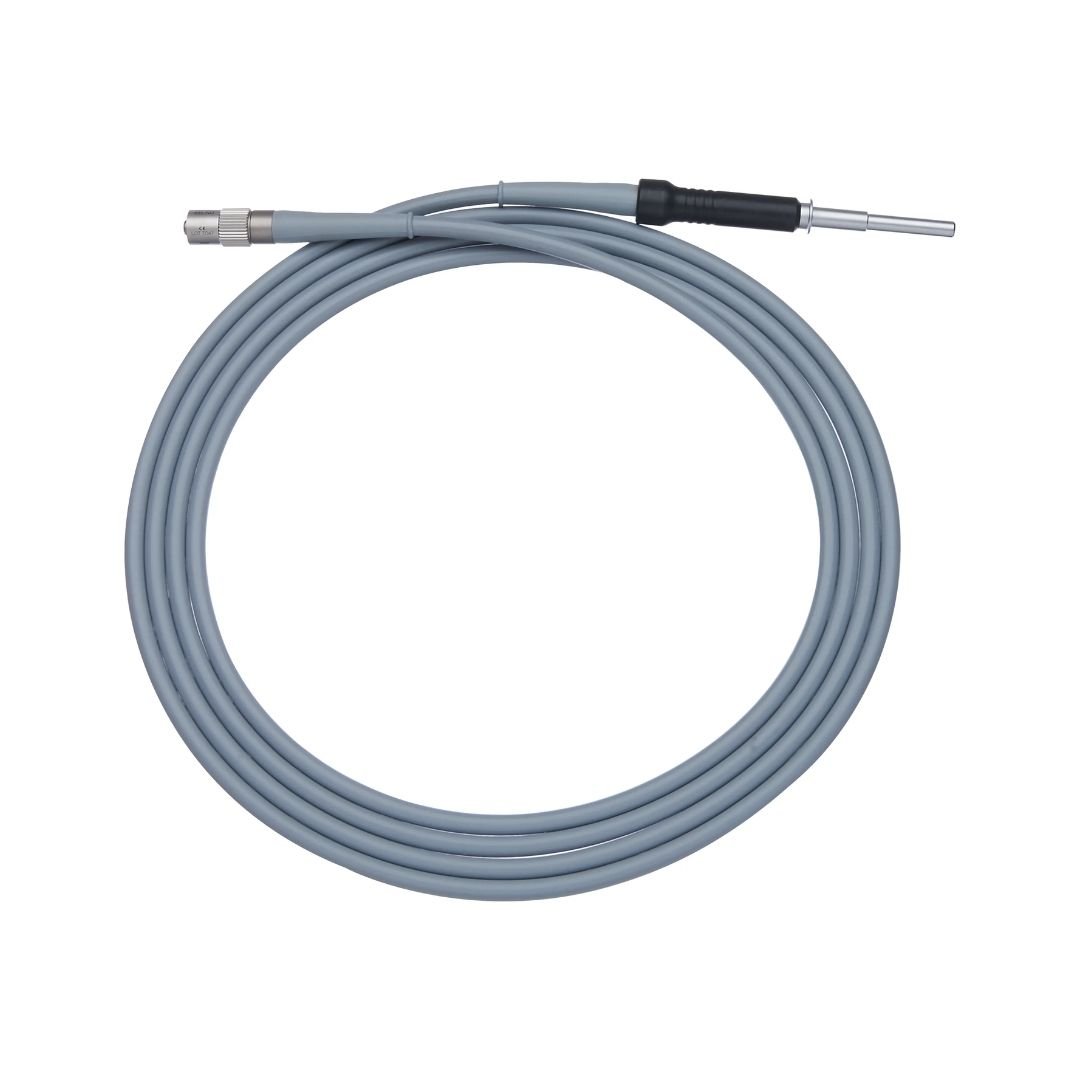
Fiber Optic Light Cable
HD Laparoscopy System
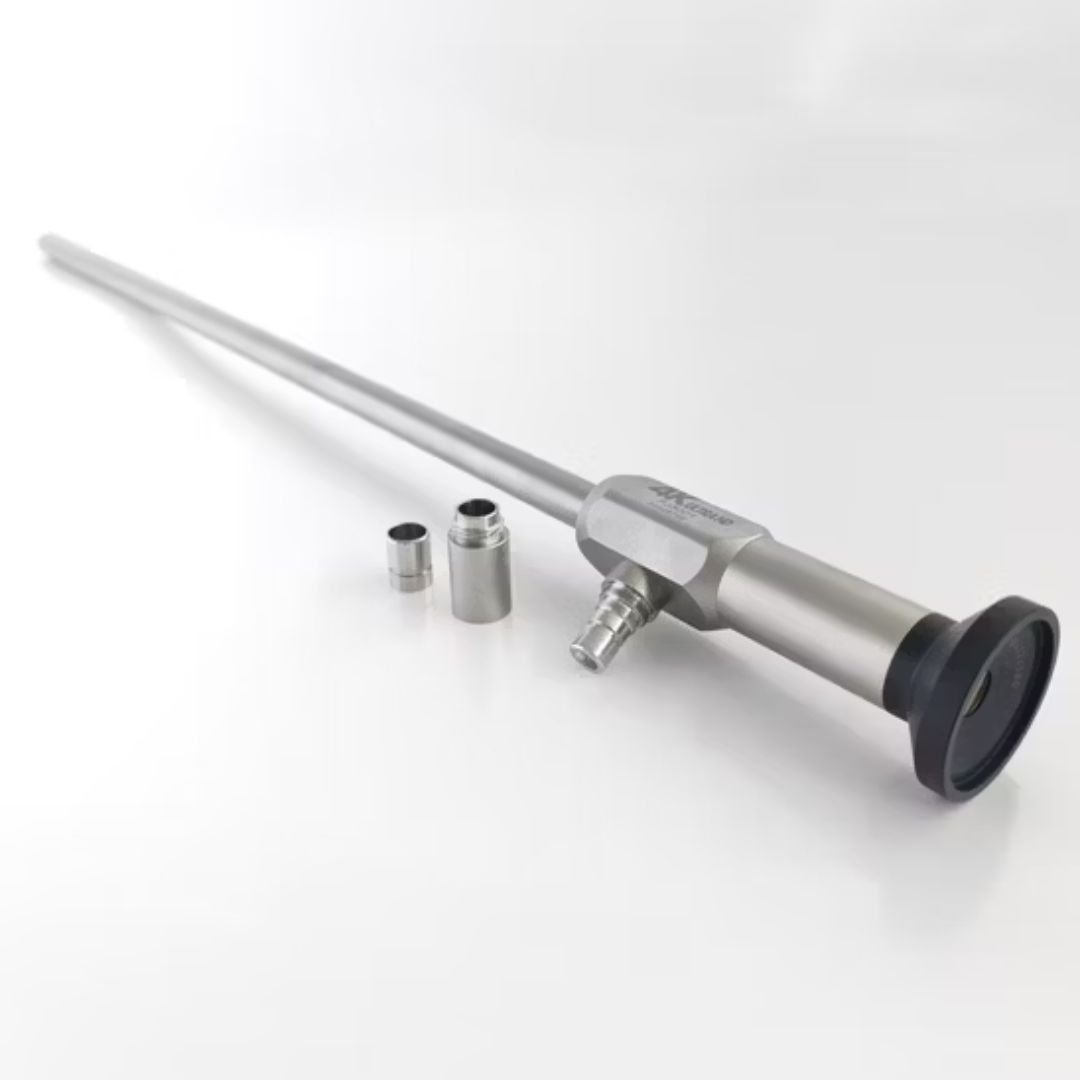
Laparoscope Telescope
HD Laparoscopy System

Recording System
HD Laparoscopy System
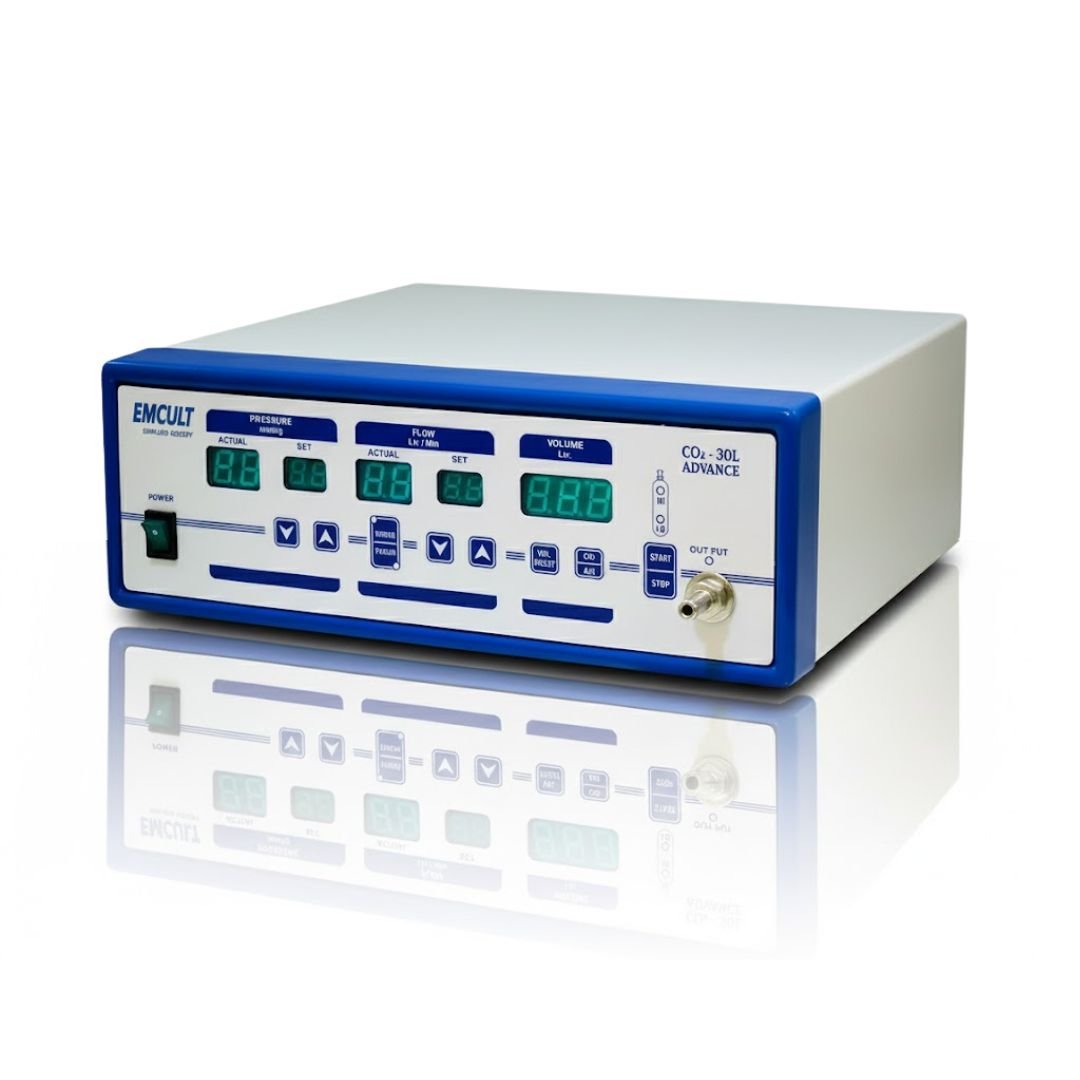
Co2 Insufflator
HD Laparoscopy System
Together, these components create a powerful visualization system that supports safe and accurate laparoscopic surgery.
Why HD Laparoscopy Systems Are Important in Modern Surgery
Modern healthcare facilities require advanced imaging technology to achieve the best surgical outcomes. Traditional imaging systems often provide limited detail, making it difficult to visualize delicate structures.
An HD laparoscopy system offers:
- Enhanced Visualization: High-definition imaging provides sharp and detailed surgical views. Surgeons can clearly identify anatomical structures and surgical landmarks.
- Better Surgical Precision: Clear visualization helps surgeons perform delicate procedures accurately while minimizing tissue damage.
- Improved Patient Safety: Precise imaging reduces surgical errors and helps improve overall procedural safety.
- Faster Surgical Procedures: Enhanced image quality allows surgeons to work more efficiently, reducing operating time.
- Better Clinical Outcomes: Patients benefit from smaller incisions, reduced blood loss, quicker recovery, and shorter hospital stays.
- Components of an HD Laparoscopy System
Components of an HD Laparoscopy System
A modern HD Laparoscopy System consists of several advanced imaging and visualization components that work together to provide surgeons with clear, accurate, and real-time views of the surgical site. Every component plays an important role in ensuring successful minimally invasive procedures. From image capture and processing to illumination and display, these technologies help surgeons perform complex operations with greater confidence, precision, and safety.
HD Surgical Camera Head
The HD Surgical Camera Head is one of the most critical components of the entire laparoscopy system. It is attached directly to the laparoscope and serves as the primary device responsible for capturing high-definition images from inside the patient’s body. During surgery, the camera head transmits these images to the camera control unit, where they are processed and displayed on the surgical monitor in real time.
Modern HD camera heads utilize advanced imaging sensors that deliver sharp, bright, and detailed visualization of internal organs, tissues, blood vessels, and anatomical structures. This enhanced visibility enables surgeons to perform delicate surgical procedures with improved precision and confidence. The ability to clearly distinguish tissue layers and critical anatomical landmarks is particularly important during complex laparoscopic operations.
Key Features of Modern HD Surgical Camera Heads
- High-Resolution Imaging: Advanced image sensors capture crystal-clear HD images with exceptional detail. This allows surgeons to identify even small anatomical structures and perform precise surgical maneuvers with greater accuracy.
- Lightweight Design: Modern camera heads are engineered using lightweight materials that reduce hand fatigue during lengthy procedures. The reduced weight improves comfort and allows surgeons to maintain steady control throughout the operation.
- Ergonomic Handling: The ergonomic design provides a comfortable grip and easy maneuverability. This enables surgeons to make precise movements while maintaining excellent control of the laparoscope.
- Superior Color Reproduction: Accurate color representation is essential in surgery. High-quality camera heads reproduce natural tissue colors, helping surgeons differentiate between healthy tissue, blood vessels, and pathological structures more effectively.
- Excellent Light Sensitivity: Advanced sensors provide outstanding performance even under varying lighting conditions. Enhanced light sensitivity ensures bright and detailed images without excessive illumination requirements.
- Long Operational Life: Medical-grade construction and durable internal components ensure reliable long-term performance in demanding operating room environments.
Benefits of HD Camera Head Technology
The HD camera head allows surgeons to obtain a realistic and highly detailed view of the surgical field. This improved visualization contributes to enhanced surgical precision, reduced procedural errors, shorter operating times, and better patient outcomes. It serves as the foundation of the entire laparoscopic imaging system and directly impacts the quality of surgical visualization.
HD Camera Control Unit
The HD Camera Control Unit (CCU) acts as the brain of the laparoscopic imaging system. Once images are captured by the camera head, they are transmitted to the control unit, where sophisticated image processing technologies enhance image quality before displaying it on the monitor.
The camera control unit performs multiple functions that optimize brightness, color balance, contrast, sharpness, and overall image clarity. These enhancements ensure that surgeons receive the highest-quality visualization possible during every procedure.
Key Functions of the HD Camera Control Unit
- Image Enhancement: Advanced image processing algorithms improve image sharpness, clarity, and detail. This enhancement allows surgeons to visualize fine anatomical structures more effectively.
- White Balance Adjustment: White balance correction ensures accurate color representation throughout the procedure. Proper color accuracy helps surgeons correctly identify tissues and anatomical landmarks.
- Brightness Control: Automatic and manual brightness adjustment allows optimal visualization under different surgical conditions. This feature prevents images from appearing too dark or excessively bright.
- Color Optimization: The system adjusts color saturation and tone to produce realistic tissue visualization. Enhanced color accuracy improves clinical decision-making during surgery.
- Noise Reduction: Digital noise reduction technology minimizes image distortion and visual artifacts, resulting in cleaner and more stable images.
- Video Output Management: The control unit manages image transmission to monitors, recording devices, and hospital video systems while maintaining consistent image quality.
- Advanced Image Processing Benefits
Modern HD Laparoscopy camera control units utilize sophisticated digital imaging technology to deliver consistently clear and stable surgical images. Enhanced image quality improves surgeon confidence, reduces visual fatigue, and supports accurate surgical interventions. The system ensures reliable performance throughout long and demanding surgical procedures.
LED Light Source
High-quality visualization during laparoscopic surgery is impossible without adequate illumination. The LED Light Source provides the intense and uniform light required to illuminate internal body cavities and anatomical structures. Because laparoscopic procedures are performed through small incisions, a powerful light source is essential for producing clear and detailed images.
Modern LED light sources have become the preferred standard in minimally invasive surgery due to their superior performance, energy efficiency, and long operational lifespan.
Advantages of LED Light Sources
- High Brightness Output: LED systems generate powerful illumination that allows surgeons to visualize deep surgical cavities and anatomical structures with exceptional clarity.
- Uniform Light Distribution: Consistent illumination eliminates dark areas and shadows, ensuring a clear surgical field throughout the procedure.
- Longer Lifespan: LED technology provides significantly longer operational life compared to traditional xenon or halogen light sources, reducing maintenance requirements and replacement costs.
- Lower Heat Generation: LED light sources produce less heat, improving operating room safety and reducing the risk of equipment overheating.
- Energy Efficiency: Modern LEDs consume less power while delivering high-intensity illumination, making them environmentally friendly and cost-effective.
- Stable Performance: LED technology provides consistent brightness levels throughout surgical procedures without significant fluctuations.
Importance of Surgical Illumination
Proper illumination directly affects image quality and surgical accuracy. Bright and uniform lighting allows surgeons to clearly identify tissues, blood vessels, and anatomical landmarks. Enhanced visibility contributes to safer procedures, reduced surgical complications, and improved patient outcomes.
HD Medical Monitor
The HD Medical Monitor is the primary display device used by surgeons to view real-time laparoscopic images during surgery. It serves as the surgeon’s eyes inside the patient’s body and plays a crucial role in procedural accuracy and decision-making.
Unlike standard consumer displays, medical-grade monitors are specifically designed for surgical environments. They provide highly accurate color reproduction, exceptional image clarity, and reliable long-term performance.
Features of HD Medical Monitors
- Full HD Resolution: High-definition displays provide detailed and sharp visualization of surgical anatomy, helping surgeons identify critical structures more easily.
- Wide Viewing Angles: Wide-angle viewing technology allows multiple members of the surgical team to view images clearly from different positions within the operating room.
- Accurate Color Reproduction: Medical monitors display true-to-life tissue colors, enabling better differentiation of anatomical structures and improving diagnostic accuracy.
- Anti-Glare Display Technology: Specialized screen coatings reduce reflections and glare from operating room lighting, ensuring comfortable viewing during lengthy procedures.
- High Contrast Ratio: Enhanced contrast improves visibility of fine details and subtle anatomical differences, which is particularly important during delicate surgical procedures.
- Medical-Grade Construction: Designed specifically for healthcare environments, medical monitors offer durability, reliability, and compliance with medical industry standards.
- Long-Term Reliability: High-quality components ensure stable performance and consistent image quality over years of clinical use.
Role in Surgical Visualization
The HD medical monitor serves as the surgeon’s primary visual reference throughout the operation. Every surgical decision is based on the images displayed on the screen. Therefore, superior image quality directly contributes to greater surgical precision, improved workflow efficiency, and enhanced patient safety.
Medical Image Processor
The Medical Image Processor is one of the most advanced and essential components of an HD laparoscopy system. It functions as the central imaging hub responsible for image acquisition, processing, enhancement, storage, management, and display. By optimizing image quality in real time, the processor ensures that surgeons receive the clearest possible visualization during surgical procedures.
Modern medical image processors are specifically designed for use with compatible endoscopic systems and provide advanced image management capabilities that support both clinical practice and surgical documentation.
Core Functions of a Medical Image Processor
- Real-Time Image Processing: The processor continuously receives image data from the camera system and applies advanced algorithms to optimize brightness, contrast, sharpness, and color accuracy before displaying the image.
- High-Quality Image Enhancement: Advanced processing technologies improve image clarity and visibility, enabling surgeons to identify anatomical structures with greater confidence.
- Image Capture and Storage: The processor allows users to capture high-resolution still images during surgery for documentation, reporting, teaching, and clinical review purposes.
- Video Recording Capability: Real-time surgical videos can be recorded and stored for future reference, training, quality assurance, and patient records.
- Data Transfer and Connectivity: Many processors support USB storage devices, external drives, and network connectivity for efficient data management and transfer.
- White Balance Adjustment: Built-in white balance functionality ensures consistent and accurate color reproduction throughout the procedure.
- Brightness Control: Surgeons can adjust image brightness to optimize visualization under different operating conditions.
- User Management Features: Advanced systems support user profiles, password protection, and secure access management to maintain data security and workflow control.
- Image and Video Playback: Stored images and videos can be reviewed directly on the system, allowing immediate assessment and documentation verification.
- HDMI and Digital Output Support: Modern processors provide HDMI and other digital video outputs for connection to medical monitors, recording systems, and hospital integration platforms. Features such as USB storage support, image capture, video recording, white balance adjustment, brightness control, and image playback are commonly incorporated into modern processors used with compatible endoscopic systems.
Clinical Benefits of Medical Image Processors
Medical image processors significantly enhance surgical visualization by improving image quality and providing comprehensive image management capabilities. These systems support accurate diagnosis, precise surgical intervention, efficient documentation, and improved workflow within the operating room. As surgical imaging technology continues to evolve, image processors remain a critical component in delivering high-performance laparoscopic visualization and optimal patient care.
Applications of HD Laparoscopy Systems
The HD Laparoscopy System has become an essential technology in modern healthcare because it provides surgeons with superior visualization, enhanced precision, and improved control during minimally invasive procedures. Advanced laparoscopy cameras, HD surgical camera systems, and medical imaging solutions enable surgeons to view internal anatomy in remarkable detail, helping improve surgical outcomes while reducing patient recovery time.
Today, hospitals, surgical centers, and specialty clinics rely on HD laparoscopic camera systems, endoscopy camera systems, and surgical camera equipment across various medical specialties. The high-definition image quality, accurate color reproduction, and real-time visualization provided by these systems make them indispensable for modern minimally invasive surgery.
General Surgery Applications
General surgery is one of the largest areas where HD laparoscopy systems are extensively used. Modern laparoscopy camera systems provide surgeons with detailed views of abdominal organs, blood vessels, and tissue structures, allowing them to perform complex procedures through small incisions with greater confidence and accuracy.
The enhanced visualization provided by HD laparoscopic cameras helps surgeons identify anatomical landmarks clearly, reduce surgical trauma, and improve procedural safety.
Common General Surgical Procedures
- Appendectomy: Laparoscopic appendectomy is one of the most frequently performed minimally invasive procedures. The HD surgical camera system provides clear visualization of the inflamed appendix, surrounding tissues, and blood vessels, helping surgeons remove the appendix safely and efficiently.
- Hernia Repair: During laparoscopic hernia repair, detailed imaging helps surgeons accurately identify hernia defects and position surgical mesh precisely. The improved visualization provided by HD laparoscopy equipment contributes to better repair outcomes and reduced recurrence rates.
- Gallbladder Surgery (Laparoscopic Cholecystectomy): Gallbladder removal requires precise identification of biliary structures and surrounding anatomy. Advanced laparoscopy cameras allow surgeons to clearly visualize the gallbladder, cystic duct, and blood vessels, reducing the risk of complications.
- Colorectal Surgery: Minimally invasive colorectal procedures benefit significantly from high-definition surgical imaging systems. Enhanced visualization assists surgeons in tissue dissection, vessel identification, and accurate tumor removal while preserving healthy structures.
- Bariatric Surgery: Weight-loss surgeries such as gastric bypass and sleeve gastrectomy require exceptional precision. HD laparoscopy systems provide magnified visualization that helps surgeons perform complex bariatric procedures safely and effectively.
Benefits in General Surgery
- Improved surgical precision
- Reduced blood loss
- Smaller incisions
- Faster patient recovery
- Shorter hospital stays
- Enhanced patient satisfaction
Because of these advantages, HD laparoscopy systems, laparoscopy cameras, and surgical camera systems have become standard equipment in modern general surgery departments.
Gynecology Applications
Gynecology is one of the most important specialties utilizing HD laparoscopic camera systems. Many gynecological conditions can now be diagnosed and treated through minimally invasive procedures using advanced surgical camera technology.
The superior image quality provided by an HD laparoscopy system allows gynecologists to visualize delicate reproductive structures with exceptional clarity, helping preserve fertility and improve surgical outcomes.
Common Gynecological Procedures
- Hysterectomy: Laparoscopic hysterectomy allows removal of the uterus through minimally invasive techniques. High-definition imaging helps surgeons identify critical anatomical structures while minimizing tissue trauma.
- Ovarian Cyst Removal: During ovarian cystectomy, accurate visualization is essential for preserving healthy ovarian tissue. Modern laparoscopy cameras help surgeons perform precise cyst removal while protecting reproductive function.
- Endometriosis Treatment: Endometriosis lesions can be small and difficult to detect. Advanced HD surgical camera systems provide enhanced visualization, allowing surgeons to identify and remove endometriotic tissue more effectively.
- Infertility Evaluation: Diagnostic laparoscopy is widely used to investigate infertility causes. High-definition imaging allows gynecologists to assess reproductive organs, fallopian tubes, and pelvic anatomy with excellent clarity.
- Myomectomy: Removal of uterine fibroids requires careful dissection and tissue preservation. Enhanced visualization provided by laparoscopy camera systems supports precise surgical intervention and improved reproductive outcomes.
Advantages in Gynecology
- Preservation of reproductive organs
- Reduced postoperative pain
- Better cosmetic results
- Lower infection risk
- Faster return to daily activities
- Improved fertility preservation
As a result, HD laparoscopy systems and medical surgical camera systems are considered essential tools in modern gynecological surgery.
Urology Applications
Urological surgery increasingly depends on advanced HD laparoscopy cameras, endoscopy camera systems, and surgical imaging equipment to perform minimally invasive procedures involving the kidneys, bladder, ureters, and prostate.
The exceptional image quality delivered by modern HD laparoscopic camera systems allows urologists to operate with greater precision while minimizing trauma to surrounding tissues.
Common Urological Procedures
- Nephrectomy: Laparoscopic kidney removal requires careful dissection around major blood vessels and organs. High-definition imaging helps surgeons perform nephrectomy safely and accurately.
- Prostate Surgery: Advanced surgical camera systems enable clear visualization of delicate nerves and surrounding structures during prostate procedures, supporting improved functional outcomes.
- Ureteral Procedures: Procedures involving the ureters require detailed anatomical visualization. HD laparoscopy systems assist surgeons in identifying strictures, stones, and other abnormalities with greater accuracy.
- Kidney Stone Treatment: Many minimally invasive stone procedures rely on high-definition endoscopic imaging systems to locate and remove stones effectively while minimizing patient discomfort.
- Pelvic Surgeries: Complex pelvic procedures benefit from enhanced imaging capabilities that improve tissue differentiation and surgical precision.
Benefits in Urology
- Enhanced anatomical visualization
- Improved diagnostic accuracy
- Greater surgical precision
- Reduced complications
- Better postoperative recovery
- Improved patient outcomes
For these reasons, modern urology departments continue to invest in advanced laparoscopy camera systems, HD surgical cameras, and medical imaging platforms.
Thoracic Surgery Applications
Thoracic surgery involves procedures within the chest cavity, including the lungs, pleura, and mediastinal structures. These procedures require highly detailed visualization, making HD laparoscopy systems and surgical camera systems invaluable tools for thoracic surgeons.
The magnified images provided by high-definition surgical cameras allow surgeons to navigate complex anatomical structures while minimizing tissue damage.
Common Thoracic Procedures
- Lung Biopsies: Thoracoscopic lung biopsy procedures rely on clear visualization to accurately locate and sample abnormal tissue while preserving healthy lung structures.
- Video-Assisted Thoracoscopic Surgery (VATS): VATS procedures are performed using minimally invasive techniques supported by advanced HD camera systems. These systems provide excellent visualization of thoracic anatomy throughout the procedure.
- Chest Cavity Examination: Diagnostic thoracoscopy allows surgeons to evaluate pleural diseases, tumors, infections, and other thoracic conditions. High-definition imaging improves diagnostic confidence and procedural effectiveness.
- Minimally Invasive Thoracic Surgery: Many thoracic procedures can now be performed through small incisions using laparoscopy cameras and HD surgical visualization systems, resulting in faster patient recovery and reduced postoperative pain.
Advantages in Thoracic Surgery
- Enhanced visualization of chest anatomy
- Improved tissue identification
- Greater procedural accuracy
- Reduced surgical trauma
- Faster recovery times
- Improved patient comfort
As minimally invasive thoracic surgery continues to expand, demand for advanced HD laparoscopy systems and surgical camera technology continues to grow.
ENT (Ear, Nose, and Throat) Applications
ENT specialists frequently use HD endoscopy camera systems, laparoscopy cameras, and surgical imaging systems for diagnostic and therapeutic procedures involving the upper airway, nasal passages, throat, and related structures.
High-definition imaging provides exceptional detail, allowing physicians to identify abnormalities and perform delicate procedures with greater accuracy.
Common ENT Procedures
- Sinus Surgery: Functional endoscopic sinus surgery relies heavily on detailed visualization of narrow anatomical spaces. HD surgical camera systems allow surgeons to navigate complex sinus structures safely and effectively.
- Laryngeal Procedures: Procedures involving the vocal cords and larynx require precise imaging. High-definition visualization helps ENT specialists identify lesions and perform accurate interventions.
- Nasal Endoscopy: Diagnostic and therapeutic nasal endoscopy benefits from enhanced image clarity, enabling physicians to assess nasal anatomy and pathology in detail.
- Airway Management: Advanced imaging systems support evaluation and treatment of airway disorders while improving procedural safety and accuracy.
Benefits in ENT Surgery
- Superior visualization of delicate structures
- Enhanced diagnostic accuracy
- Greater procedural precision
- Improved treatment outcomes
- Reduced patient discomfort
- Better surgical efficiency
Because of these advantages, HD endoscopy systems, surgical camera systems, and medical imaging equipment have become standard tools in modern ENT practice.
Why HD Laparoscopy Systems Are Used Across Multiple Specialties
The widespread adoption of HD laparoscopy systems, laparoscopy camera systems, surgical camera systems, HD laparoscopic cameras, and medical imaging solutions is driven by their ability to improve visualization, enhance surgical precision, and support better patient outcomes.
Whether used in general surgery, gynecology, urology, thoracic surgery, or ENT procedures, advanced HD surgical camera technology provides the detailed imaging required for safe, efficient, and successful minimally invasive interventions.
By delivering crystal-clear visualization, accurate color reproduction, and real-time image enhancement, modern HD laparoscopy systems continue to transform surgical practice and remain among the most valuable technologies in today’s operating rooms.
Advantages of Choosing an HD Surgical Camera System
- Crystal-Clear Image Quality: HD imaging delivers sharp visualization of tissues, vessels, and organs.
- Natural Color Reproduction: Accurate color representation improves tissue differentiation and surgical confidence.
- Real-Time Imaging: Live video transmission allows immediate response during surgical procedures.
- Reduced Eye Fatigue: Clear images help surgeons work comfortably during lengthy procedures.
- Reliable Performance: Modern HD laparoscopy systems are designed for continuous operation in demanding operating room environments.
- Easy Integration: The systems can be integrated with existing operating room equipment and video management systems.
Features of Advanced HD Laparoscopy Cameras
Modern laparoscopic cameras include several advanced technologies.
- High-Resolution Sensor Technology: Advanced image sensors provide exceptional image detail and clarity.
- Automatic White Balance: Ensures accurate color reproduction throughout the procedure.
- Digital Image Enhancement: Improves visibility of tissue structures and surgical landmarks.
- Low-Light Performance: Provides clear images even in challenging lighting conditions.
- Ergonomic Design: Comfortable handling reduces surgeon fatigue.
- Durable Construction: Designed for repeated clinical use and long operational life.
Why Hospitals Prefer HD Laparoscopy Systems
Hospitals across India continue to invest in HD laparoscopy systems because they provide significant clinical and operational benefits.
- Better Surgical Results: Enhanced imaging supports accurate diagnosis and treatment.
- Increased Surgeon Confidence: High-quality visualization helps surgeons perform complex procedures effectively.
- Improved Patient Satisfaction: Patients experience faster recovery and reduced postoperative discomfort.
- Enhanced Operating Room Efficiency: Reliable equipment helps streamline surgical workflows.
- Long-Term Cost Benefits: Durable systems reduce maintenance costs and equipment downtime.
Choosing the Right Laparoscopy Camera Manufacturer
Selecting the right laparoscopy camera manufacturer is essential for achieving consistent surgical performance.
When evaluating manufacturers, consider:
- Image Quality: Choose systems that provide excellent resolution and color accuracy.
- Technology Innovation: Look for manufacturers that continuously improve imaging performance.
- Product Reliability: Reliable systems reduce interruptions during surgery.
- Service Support: Strong technical support ensures smooth operation and maintenance.
- Training Assistance: Proper training helps medical staff maximize system performance.
- Regulatory Compliance: Ensure the equipment complies with applicable medical standards and certifications.
HD Laparoscopy System Technical Highlights
A high-performance HD laparoscopy system typically offers:
- Full HD imaging technology
- Advanced image processing
- High-brightness LED illumination
- Medical-grade display output
- USB image capture
- Video recording functionality
- White balance adjustment
- Digital zoom capabilities
- HDMI connectivity
- User-friendly interface
- Long-term reliability
- Compact system design
These features help surgeons perform procedures with greater accuracy and efficiency.
Future of HD Laparoscopy Systems
The future of laparoscopic imaging continues to evolve rapidly. Modern surgical platforms are incorporating:
- Artificial Intelligence Assistance: AI-based image enhancement can improve tissue recognition and surgical decision-making.
- Advanced Image Processing: Enhanced processing provides better visualization and image optimization.
- Digital Surgical Documentation: Integrated recording systems support documentation and education.
- Cloud-Based Data Management: Secure storage and access to surgical videos and images improve workflow management.
- Enhanced Connectivity: Future systems will support seamless integration with hospital information systems.
As surgical technology advances, HD laparoscopy systems will continue to play a central role in minimally invasive surgery.
Why Choose Emcult for HD Laparoscopy Systems?
Emcult is committed to providing advanced surgical imaging solutions for healthcare professionals throughout India.
Our strengths include:
- High-Performance Technology: We supply reliable HD laparoscopy systems designed for demanding clinical environments.
- Comprehensive Product Portfolio: We offer complete laparoscopic tower solutions, surgical cameras, monitors, light sources, and accessories.
- Expert Technical Support: Our experienced team provides installation assistance, training, and after-sales support.
- Competitive Pricing: We help hospitals and surgical centers access advanced technology at cost-effective prices.
- Nationwide Service Network: We support healthcare facilities across India with prompt technical assistance and customer service.
- Trusted Industry Experience: Our focus on quality, reliability, and customer satisfaction has made us a trusted partner for surgical imaging solutions.
Frequently asked questions — HD laparoscopic camera India
What is an HD laparoscopy system?
An HD laparoscopy system is a surgical imaging platform that provides high-definition visualization during minimally invasive surgical procedures.
What are the benefits of HD laparoscopic cameras?
HD laparoscopic cameras provide clearer images, better tissue visualization, improved surgical precision, and enhanced patient outcomes.
Which surgeries use HD laparoscopy systems?
HD laparoscopy systems are commonly used in general surgery, gynecology, urology, thoracic surgery, and ENT procedures.
Why is image quality important in laparoscopic surgery?
High-quality images help surgeons identify anatomical structures accurately and perform procedures safely.
What components are included in a laparoscopy tower?
A laparoscopy tower generally includes a camera system, monitor, light source, insufflator, image processor, recording system, and trolley.
How do I select the best laparoscopy camera manufacturer?
Consider image quality, reliability, service support, technology innovation, certifications, and long-term performance.
Conclusion
The HD Laparoscopy System has transformed modern minimally invasive surgery by providing surgeons with superior visualization, enhanced precision, and improved clinical outcomes. High-definition imaging technology allows healthcare professionals to perform complex procedures safely and efficiently while reducing patient recovery time.
As one of the growing providers of advanced surgical imaging solutions, Emcult delivers high-performance HD laparoscopy systems, laparoscopy cameras, and surgical camera systems designed to meet the evolving needs of hospitals, surgical centers, and healthcare institutions. With advanced imaging technology, dependable performance, and dedicated technical support, we help medical professionals achieve excellent surgical results and elevate patient care standards across India.
₹4.5 Lakh Only
- Laparoscopy Surgical camera
- Cystoscopy Surgical camera
- ENT Surgical Camera
- Hysteroscopes Surgical Camera
- Urology Surgical camera
- Flexible endoscopes
- Colonoscope
- Bronchoscope
- ERCP duodenoscope
+91 971-788-7658
emcult7@gmail.com
We Delivered Laparoscopic Surgical Camera in Pan India:
- HD Laparoscopy System in Delhi NCR
- HD Laparoscopy System in Pryagraj
- HD Laparoscopy System in Bhadohi
- HD Laparoscopy System in Varanshi
- Laparoscopy System in Punjab
- HD Laparoscopy System in Mumbai
- HD Laparoscopy System in Bengaluru
- HD Laparoscopy System in Chennai
- HD Laparoscopy System in Hyderabad
- HD Laparoscopy System in Kolkata
- HD Laparoscopy System in Lucknow
- HD Laparoscopy System in Jaipur
- HD Laparoscopy System in Ahmedabad
- HD Laparoscopy System in Pune
- HD Laparoscopy System in Chandigarh
- HD Laparoscopy System in Bhopal
- HD Laparoscopy System in Guwahati
- HD Laparoscopy System in Kochi
- HD Laparoscopy System in Bhubaneswar