Introduction
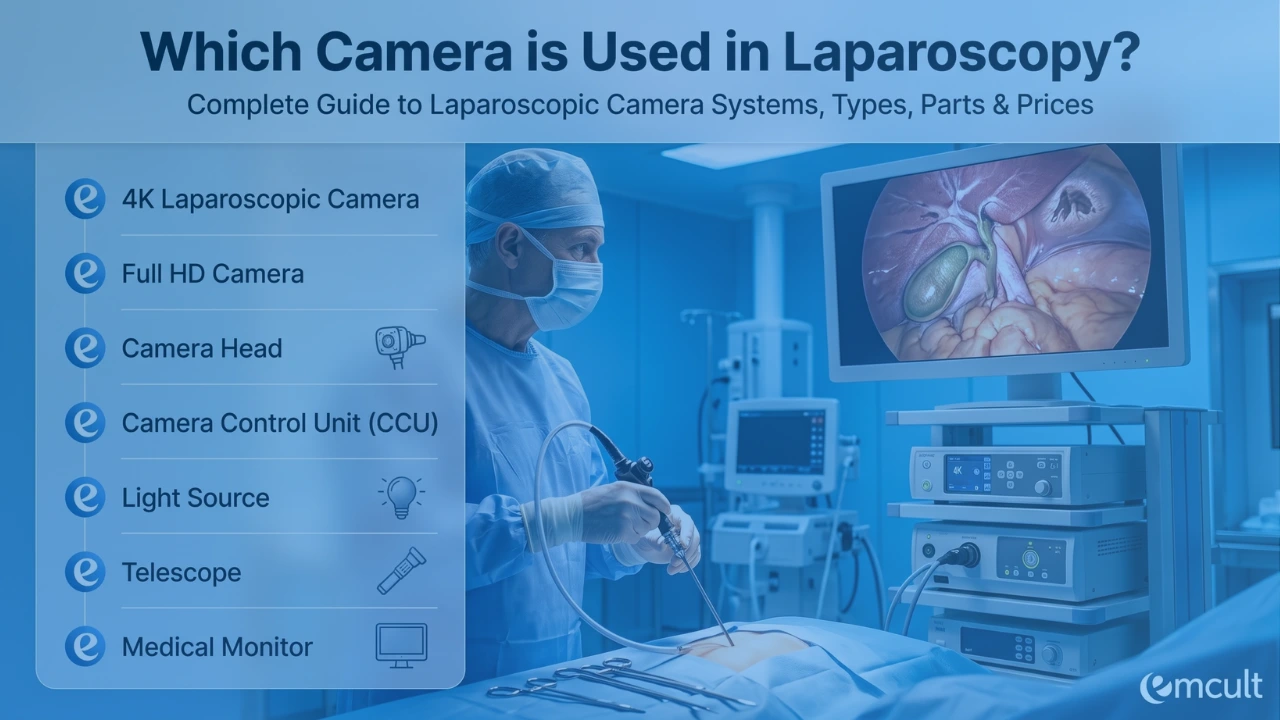
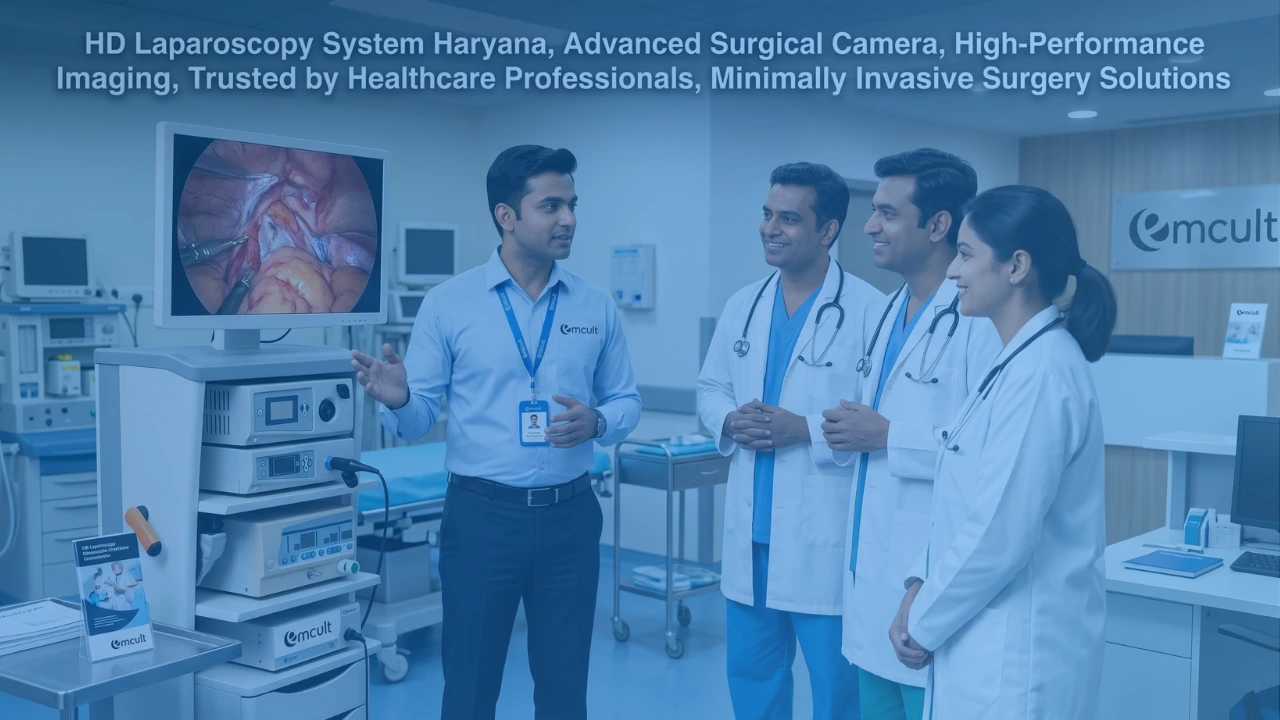
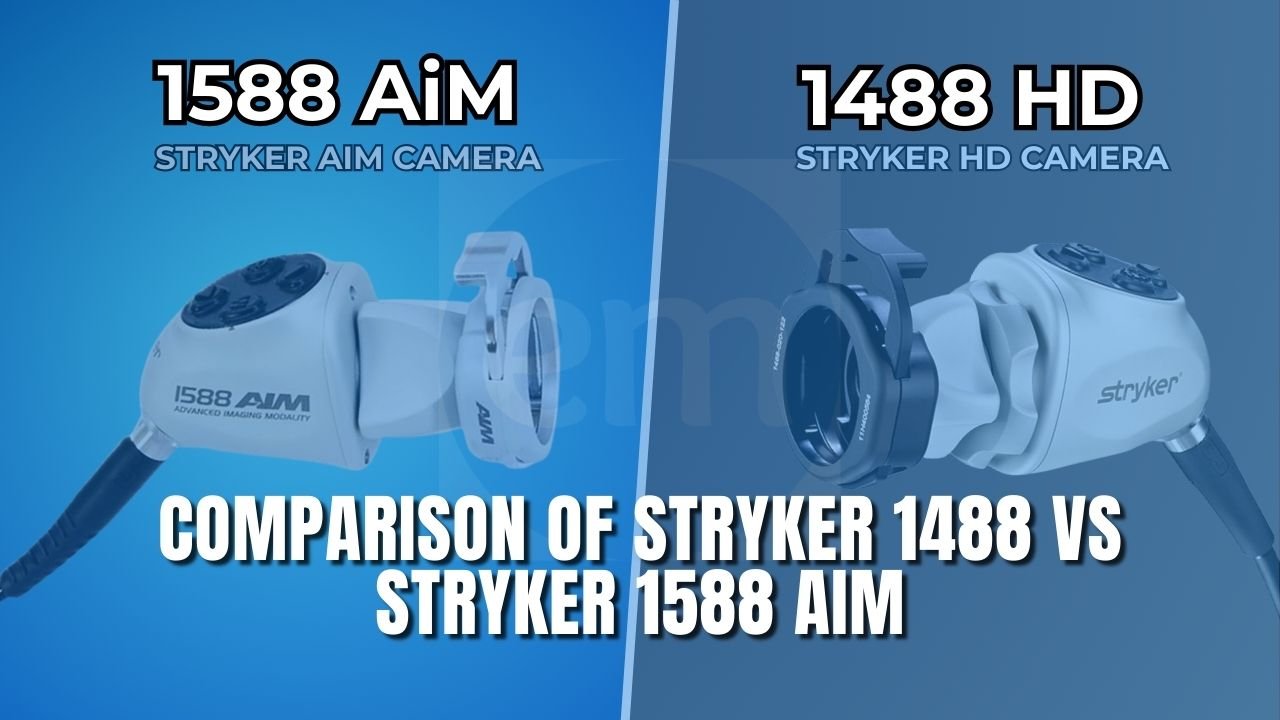
In modern surgery, visualization plays the most critical role. The camera system used inside the operation theatre determines how clearly the surgeon can see the anatomy, identify critical structures, and perform precise movements. A high-quality Laparoscopic Camera not only improves surgical accuracy but also increases patient safety and reduces complications. Two of the most widely used surgical camera platforms in Indian hospitals are the Stryker 1488 Camera System and the Stryker 1588 AIM Camera System. Both systems come from Stryker Endoscopy, a global leader in medical visualization technology, and are designed to meet the needs of different surgical specialties such as general surgery, urology, gynecology, and ENT.
Many hospitals and biomedical engineers in India face an important question when upgrading their operation theatres: should they continue using the Stryker 1488 Camera System, or move to the newer Stryker 1588 AIM Camera System? This detailed guide will help you make that decision. Using technical insights from the Stryker 1488 brochure and Stryker 1588 brochure, this article explains the specifications, features, imaging modes, and benefits of both systems. It also provides a practical comparison of cost, performance, and long-term value for hospitals.
Overview of Stryker 1488 HD Camera System
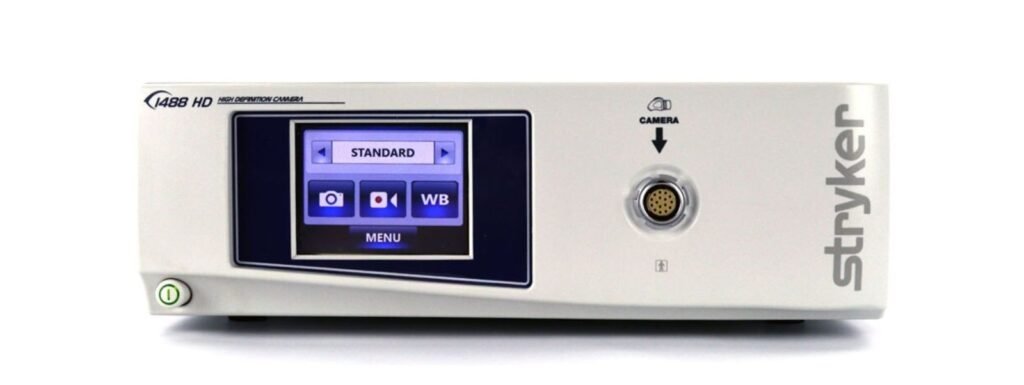
The Stryker 1488 HD Camera System is a trusted and proven imaging solution that has been widely used in Indian and international operation theatres. It delivers full high-definition (1080p) video using advanced CMOS technology. The camera system was designed to provide bright, clear, and natural color images, which are essential for endoscopic and laparoscopic visualization. The 1488 system works across multiple surgical specialties, allowing hospitals to standardize one video platform for different departments such as general surgery, orthopedics, ENT, and urology.
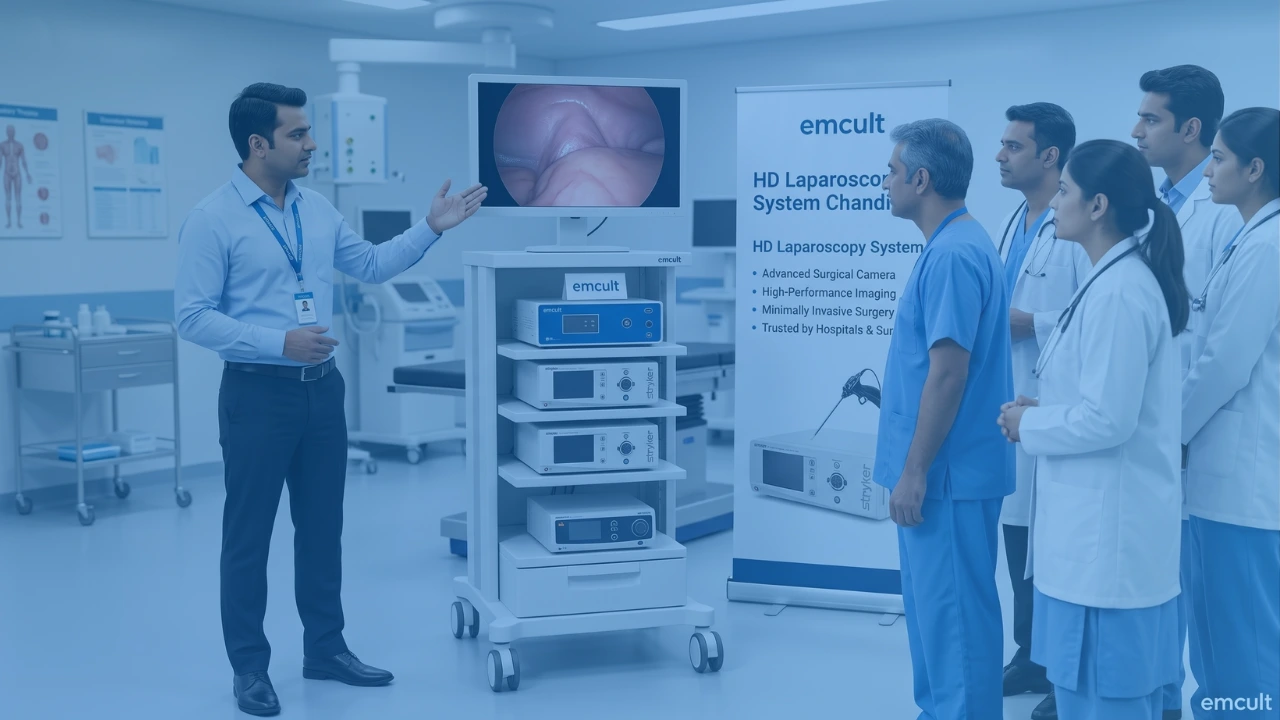
The Stryker 1488 system includes several components such as the camera control unit (CCU), camera head, coupler, SDC3 data management system, and the L9000 LED light source. One of its biggest strengths is its ability to produce consistent brightness and clarity even at lower light intensities. The enhanced light sensitivity of the camera ensures that surgeons get a high-quality image while minimizing the risk of tissue burns or drape overheating caused by excessive light exposure. The Stryker 1488 brochure highlights that this system was built for patient safety and surgeon comfort.
Another key feature of the Stryker 1488 Camera is its customization. Surgeons can program four buttons on the camera head to control various functions such as image capture, zoom, or light adjustment without depending on the nurse or technician. It also integrates with Stryker’s Wingman Pneumatic Scope Holder, giving surgeons image stability and hands-free control. The system supports Stryker’s WiSe HD wireless transmission platform, which allows uncompressed HD video to be transmitted wirelessly within the OR. This feature is particularly useful in teaching hospitals and modern modular operating theatres.
In short, the Stryker 1488 Camera System provides high-quality HD imaging, excellent reliability, and cross-specialty use. It is ideal for hospitals that want a robust and cost-effective imaging platform without compromising on quality.
Overview of Stryker 1588 AIM Camera System
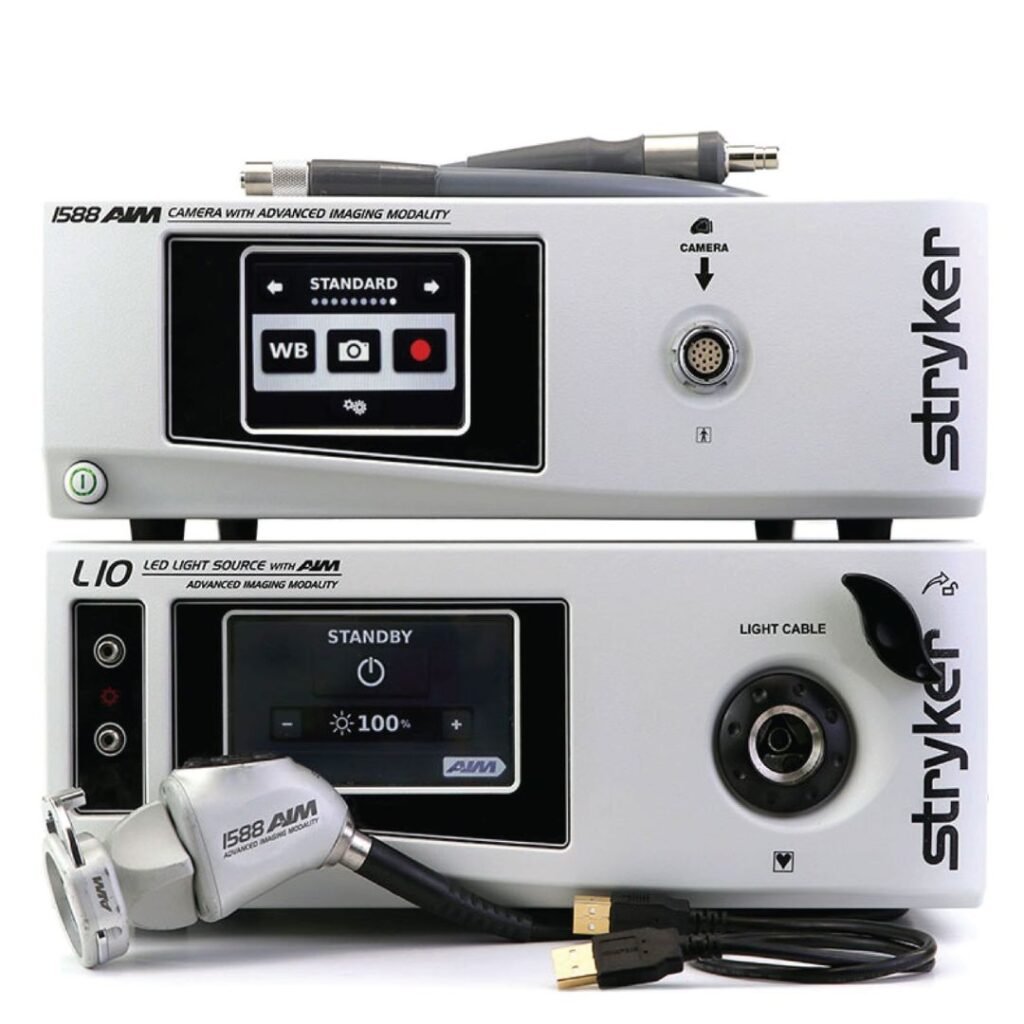
The Stryker 1588 AIM Camera System represents the next generation in Stryker’s endoscopic imaging technology. While it retains the HD imaging quality of the 1488, it introduces advanced software-based image enhancement features under the AIM platform, which stands for Advanced Imaging Modalities. This makes the Stryker 1588 Camera not just a visual device but an intelligent imaging system designed to enhance surgical decision-making in real time.
According to the Stryker 1588 brochure, the AIM laparoscopic camera system includes five visualization modes—ENV, DRE, Clarity, Desaturation, and Brightness Boost. Each mode is developed to help surgeons handle different lighting, tissue, and smoke conditions during minimally invasive surgery. The system also includes an improved touchscreen interface, a more ergonomic camera head, and integration with the L10 LED Light Source and SDC3 recording system. The 1588 can also work with SIDNE voice control for hands-free operation.
In addition, the 1588 AIM camera supports near-infrared imaging, which helps visualize blood flow and tissue perfusion that are invisible under normal light. This feature makes it particularly useful in specialties like urology, oncology, and colorectal surgery, where perfusion and tissue viability are critical. The system allows surgeons to see the difference between well-perfused and ischemic tissues, improving surgical outcomes and safety.
The Stryker 1588 AIM Camera is designed for hospitals that want a future-ready imaging platform capable of integrating advanced visualization, digital recording, and teaching applications. It not only provides clarity but also intelligence in every image.
The Five AIM Modes Explained
The five AIM modes are what truly set the Stryker 1588 apart from the older 1488 camera. These modes enhance visualization depending on the type of procedure, lighting condition, and anatomy.
1. ENV Mode (Endoscopic Near-Infrared Visualization):
This mode uses near-infrared (NIR) light to show blood flow, tissue perfusion, and vital structures such as ureters and bile ducts. Under ENV mode, tissues with good blood supply appear bright, while non-perfused or damaged areas appear darker. It acts as a real-time perfusion test and helps surgeons make better decisions during resection or anastomosis.
2. DRE Mode (Dynamic Range Enhancement):
DRE balances lighting between bright and dark areas in the surgical field. It prevents glare from reflective surfaces and enhances visibility in deep or shadowed regions. This mode is extremely useful during laparoscopic cholecystectomy or spine surgeries where light imbalance can obscure important details.
3. Clarity Mode:
This mode digitally removes smoke, haze, and fog created during cauterization or laser procedures. It maintains a clean and uninterrupted surgical view, saving time and improving precision. The Clarity mode is a valuable addition during gynecologic and general laparoscopic surgeries.
4. Desaturation Mode:
This function reduces the red color intensity in the image. During surgeries involving bleeding, excessive red can hide important structures. Desaturation improves contrast, allowing surgeons to differentiate between tissue planes more clearly. It reduces eye strain and improves comfort during long procedures.
5. Brightness Boost Mode:
In deep or narrow cavities, light intensity often drops. Brightness Boost Mode enhances the brightness of the image without increasing the light source power, protecting tissues from burns and maintaining a safe working environment. It is especially helpful in pediatric laparoscopy and spinal endoscopy.
Together, these five AIM modes make the Stryker 1588 AIM Camera System a highly versatile and adaptive imaging tool that can handle any surgical situation.
Technical Comparison Between Stryker 1488 and 1588 AIM
| Feature | Stryker 1488 HD Camera System | Stryker 1588 AIM Camera System |
| Resolution | 1080p Full HD | 1080p Full HD |
| Technology | CMOS Sensor | CMOS Sensor + AIM Modes |
| Light Source Compatibility | L9000 LED | L10 LED with AIM Infrared |
| Imaging Modes | Standard | 5 Modes (ENV, DRE, Clarity, Desaturation, Brightness Boost) |
| Infrared Visualization | Not available | Available (ENV Mode) |
| Touchscreen Interface | Basic LCD | Advanced touchscreen with presets |
| Camera Head Options | Standard, Inline, Integrated | AIM Integrated, Pendulum, C-Mount |
| Wireless Transmission | WiSe HD Supported | WiSe HD Supported |
| Integration | L9000 + SDC3 | L10 + SDC3 + SIDNE Voice |
| Specialty Coverage | 9 specialties | 11 specialties including oncology and urology |
| Safety Features | Low-heat LED operation | Infrared control, auto-standby safety mode |
| Upgrade Capability | Limited | Fully scalable and AI-ready |
This comparison makes it clear that the Stryker 1588 AIM Camera System builds upon the foundation of the 1488 with smarter imaging features, better integration, and enhanced patient safety.
Clinical Advantages for Surgeons and Hospitals
For surgeons, the biggest advantage of moving from the Stryker 1488 Camera to the Stryker 1588 AIM Camera lies in visualization and control. The additional AIM modes help surgeons manage complex scenarios without interrupting the flow of surgery. For example, when smoke fills the cavity during cautery, Clarity mode instantly cleans the view. During vascular procedures, ENV mode allows the surgeon to check perfusion immediately.
For hospitals, the 1588 platform offers better standardization and flexibility. One system can serve multiple departments such as general surgery, urology, and ENT, reducing the need to purchase separate cameras. This not only saves cost but also simplifies training and maintenance. Both the Stryker 1488 brochure and Stryker 1588 brochure emphasize Stryker’s focus on operational efficiency, patient safety, and long-term sustainability.
Hospitals also gain an edge in patient outcomes and surgical reputation. Surgeons using the 1588 AIM system can identify risks faster, minimize complications, and record high-quality teaching videos through SDC3. In an era where visual precision directly impacts recovery, investing in advanced imaging is a decision that builds both safety and trust.
Cost, ROI, and Maintenance Analysis
While the Stryker 1588 AIM Camera System requires a higher initial investment compared to the Stryker 1488 Camera, the overall return on investment is higher due to its multi-specialty usability and extended lifespan. The L10 LED light source used with the 1588 has a longer life cycle and lower power consumption compared to the L9000 LED used in the 1488 system. It also includes a built-in Safelight feature that automatically switches the system to standby mode when disconnected, improving safety and durability.
Operationally, both systems require minimal maintenance and have robust after-sales support in India. However, the 1588’s modular design allows hospitals to upgrade firmware, integrate new devices, and connect with digital recording systems without replacing the entire setup. This makes it a future-proof choice.
Hospitals performing more than 50 laparoscopic or endoscopic cases per month generally recover the cost of upgrading to 1588 within 18 to 24 months through better case efficiency, lower maintenance, and improved patient outcomes.
Why Hospitals Are Upgrading to Stryker 1588 AIM
Indian hospitals are increasingly upgrading to the Stryker 1588 AIM Camera System for three key reasons. First, the system enhances patient safety. The ENV mode helps surgeons avoid accidental injuries to ducts and vessels, which are among the most common causes of postoperative complications. Second, it provides superior image clarity through its AIM modes, allowing surgeons to work efficiently even in difficult lighting conditions. Third, the 1588 offers better integration with modern digital OR systems, including wireless displays and data management.
Hospitals such as Medanta, AIIMS, and Fortis have adopted the Stryker 1588 platform across departments because it serves multiple surgical teams from one standardized platform. Biomedical engineers also prefer it for its compatibility with existing SDC3 recorders and WiSe HD transmitters, making the upgrade seamless.
Stryker 1588 AIM vs Stryker 1488: Which One to Choose
Choosing between the Stryker 1488 and Stryker 1588 depends on your hospital’s surgical volume, specialties, and budget. If your hospital performs basic laparoscopic and arthroscopic procedures and does not require infrared visualization, the 1488 remains a dependable choice. It offers excellent HD imaging, ease of use, and low operating costs.
However, if your hospital performs advanced laparoscopic, urological, oncological, or teaching procedures, the Stryker 1588 AIM Camera System is the clear choice. Its five AIM modes, infrared visualization, and intelligent integration make it the most complete and future-ready imaging system in its class.
Conclusion
Both the Stryker 1488 Camera System and the Stryker 1588 AIM Camera System are high-quality solutions for endoscopic and laparoscopic visualization. The 1488 offers proven HD performance and reliability, while the 1588 AIM adds intelligence, flexibility, and advanced imaging capability through its five AIM modes. Hospitals that wish to standardize across multiple specialties, enhance patient safety, and prepare for the future of surgical visualization should consider upgrading to the AIM laparoscopic camera system.
Investing in the Stryker 1588 AIM Camera System is not just a technological decision—it is a strategic step towards better surgical outcomes, higher efficiency, and stronger hospital reputation. For detailed specifications, system configurations, and installation guidance, you can refer to the official Stryker 1588 brochure or contact authorized distributors for demonstrations and pricing.
If your hospital is planning to modernize its operation theatre, the right choice of imaging system will make all the difference. The Stryker 1588 AIM platform gives your surgical team the clarity, control, and confidence to perform every procedure with precision and safety.